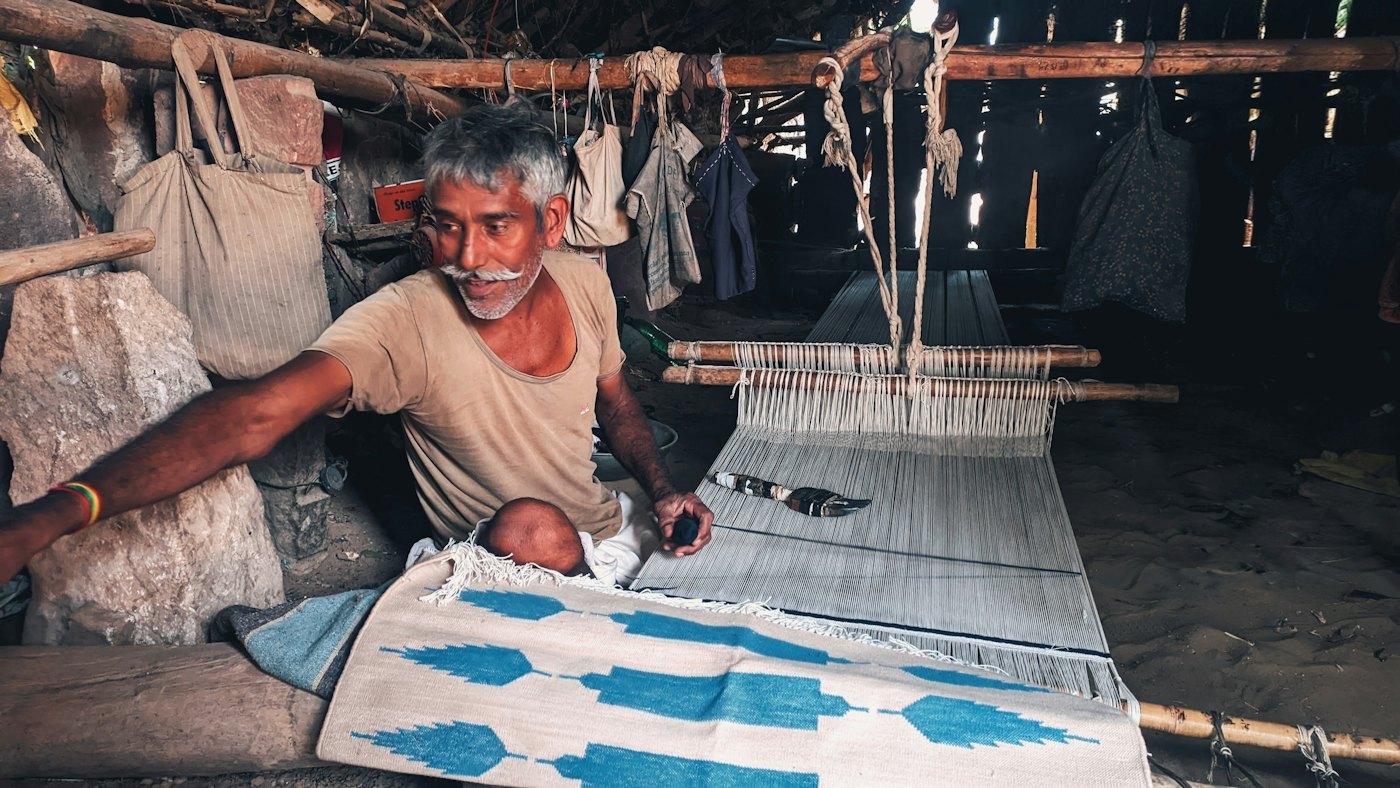
Meet our artisans
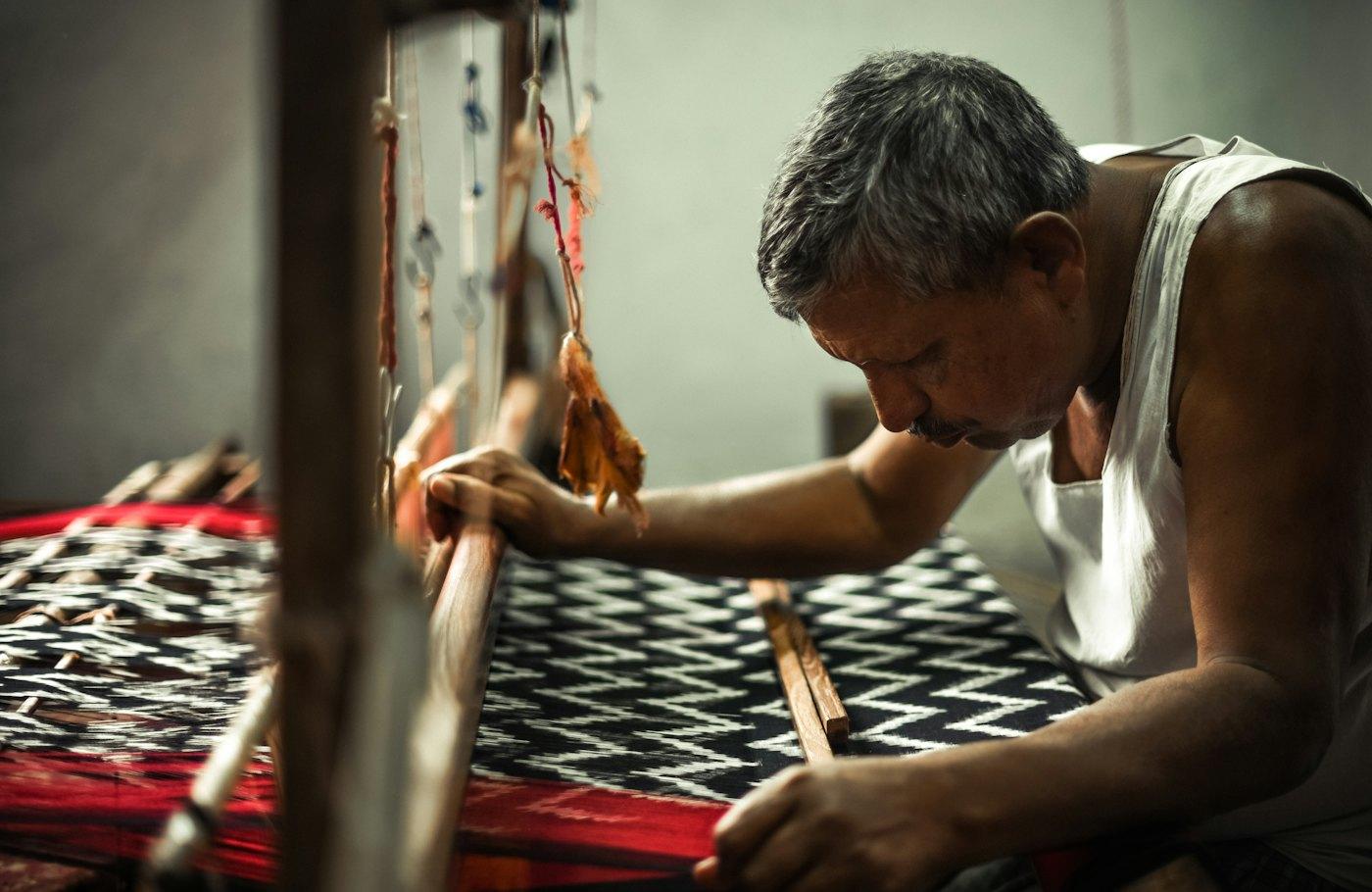
Every Aarvi piece is made by hand, by weavers, dyers and painters in some of India's oldest textile centres. We buy directly from their workshops and weaving clusters, and each saree carries the time and skill of the hands that made it.
Kanchipuram silk
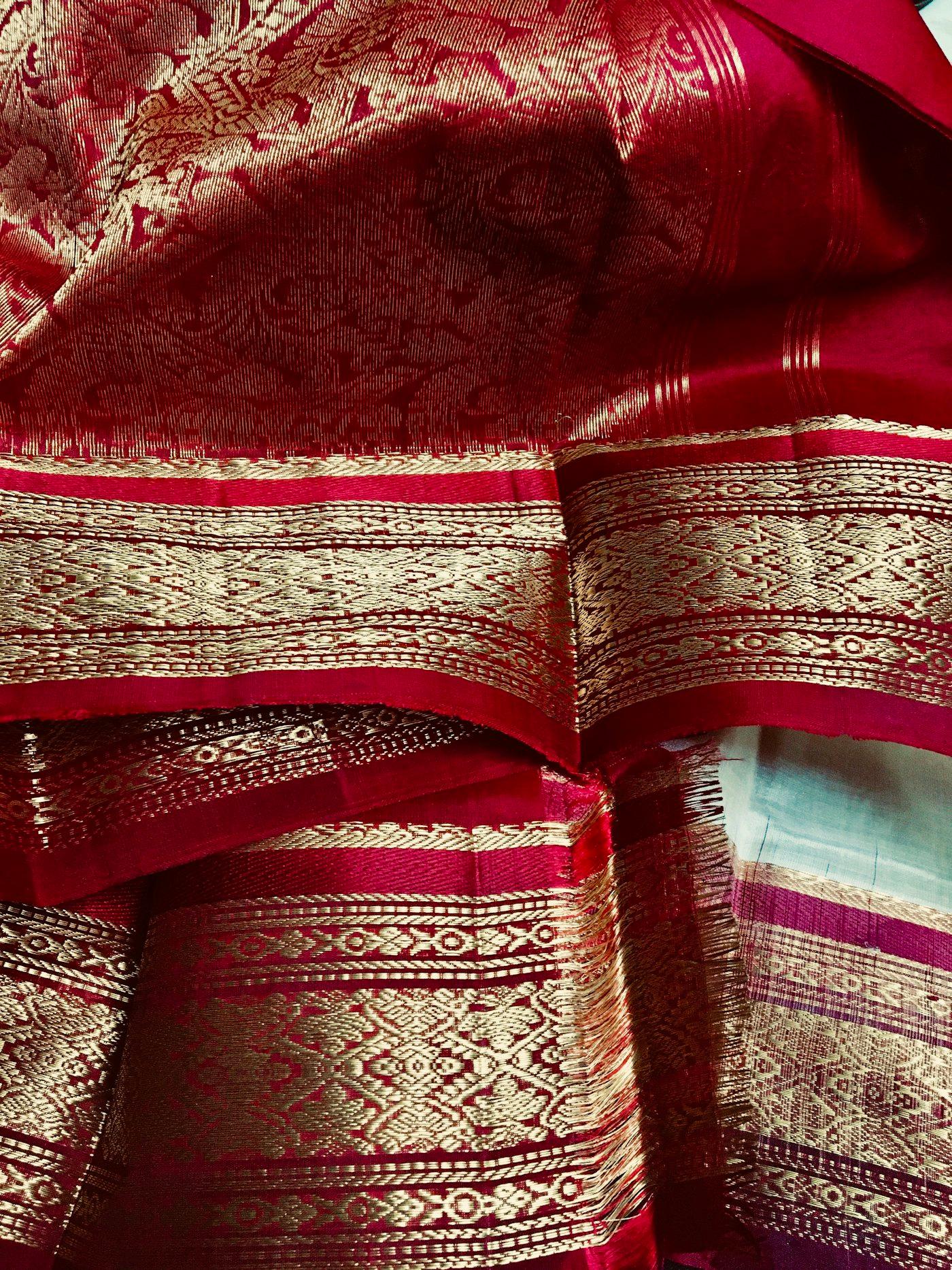
In Kanchipuram, in Tamil Nadu, weavers work with heavy mulberry silk and gold zari. The border and the body are often woven separately and interlocked by hand, a join so strong that the border is said never to come away from the saree. A single wedding saree can take weeks on the loom.
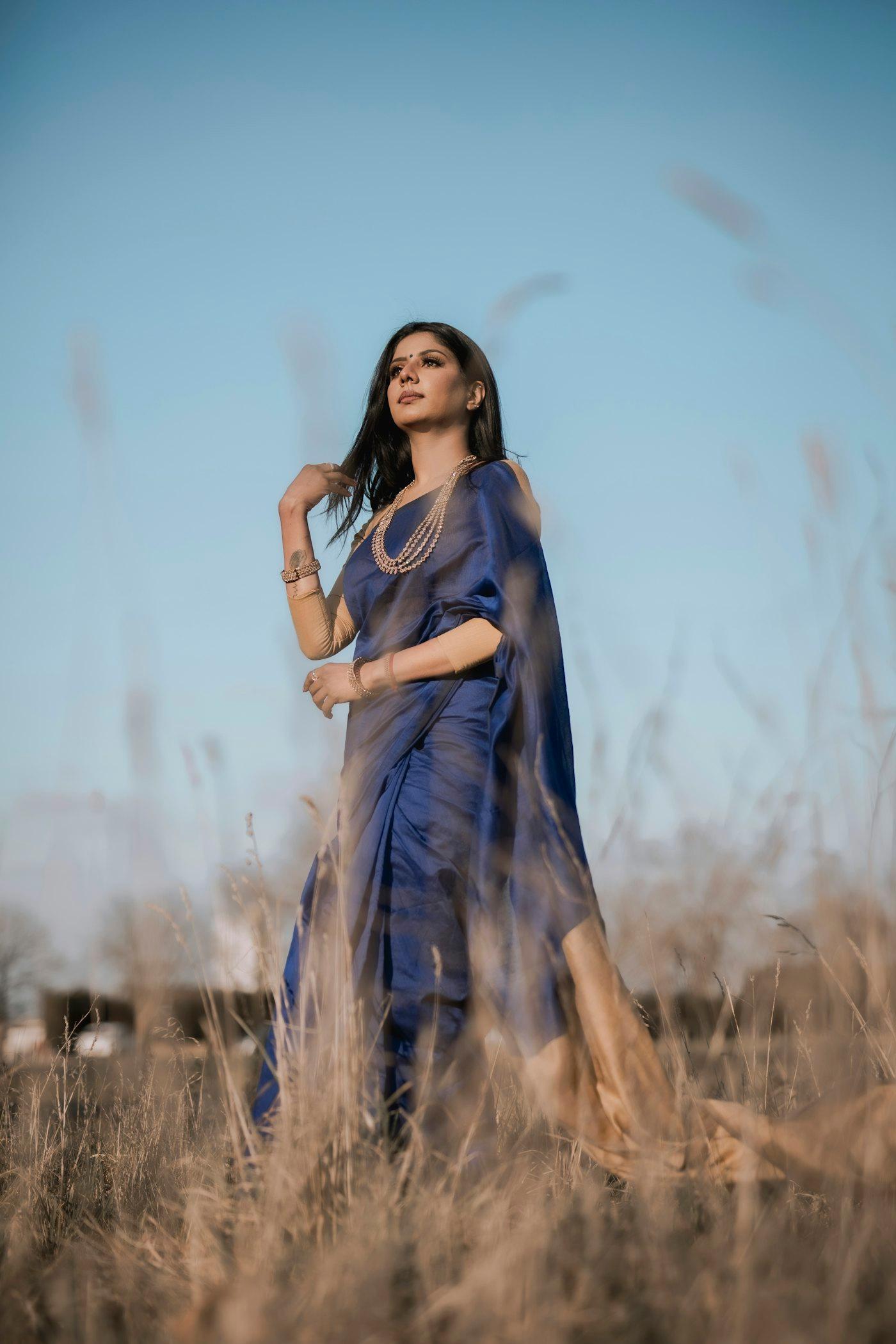
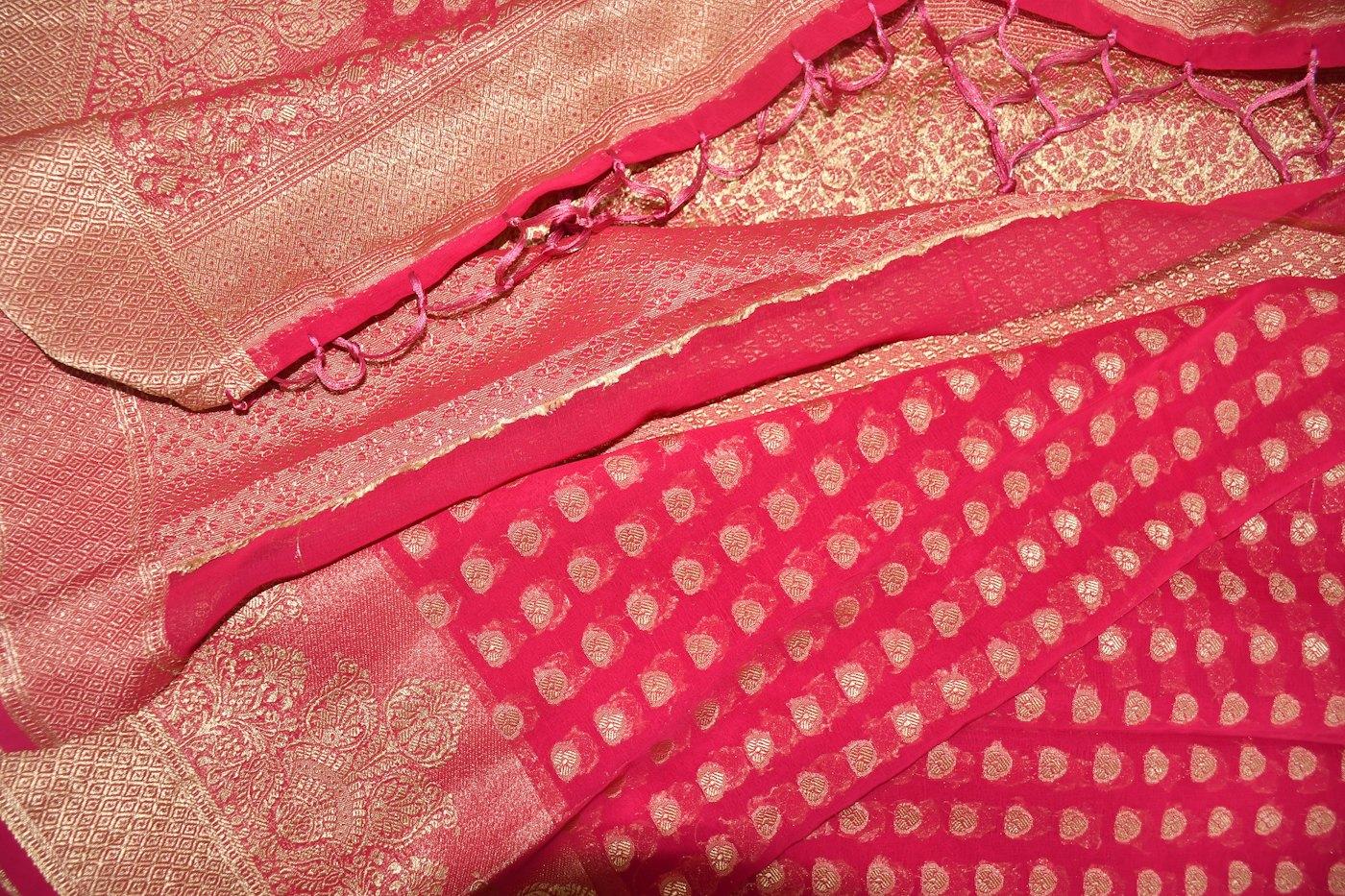
Banarasi brocade
In Varanasi, weavers lift gold and silver zari into the silk thread by thread to make brocade: the buttis, creepers and heavy pallus a Banarasi is known for. The pattern is set up on the loom before weaving begins, and an intricate piece can take weeks to finish.
Kalamkari from Srikalahasti
Kalamkari means pen work. In Srikalahasti, in Andhra Pradesh, artists draw every line freehand with a pen made from a tamarind twig, then bring in the colours with natural dyes from pomegranate, indigo and jaggery. The cloth is washed and dried in the sun between colours, so a single piece takes many days, and no two are alike.
The slow way
None of this can be hurried. Handwoven pieces carry small irregularities in the weave and slight colour variation between batches. These are marks of the hand, not defects.